
Altitude
Test Chamber.
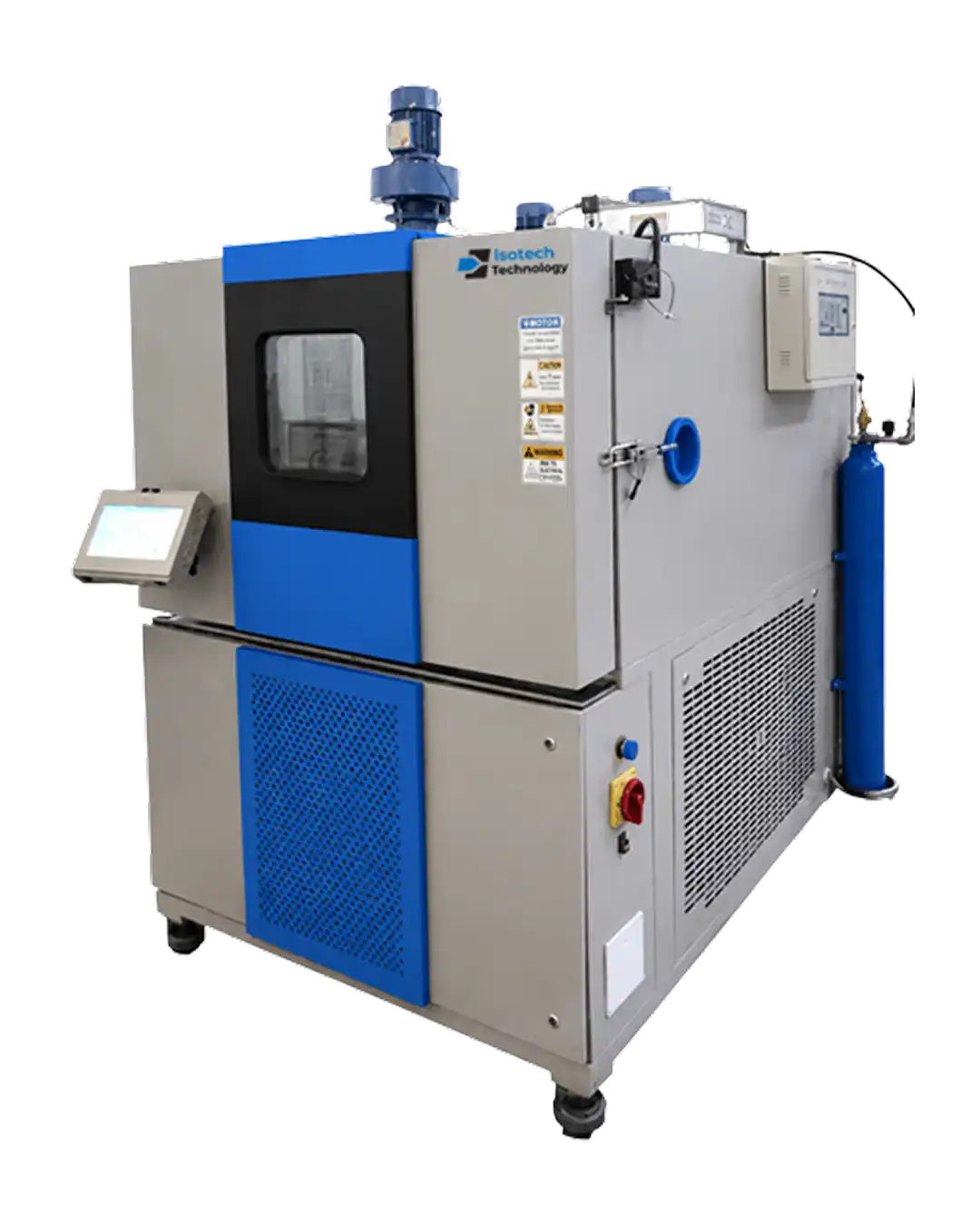
Precision systems for reproducing high-altitude low-pressure conditions with wide temperature capability and optional humidity for aerospace, defence and advanced electronics qualification.
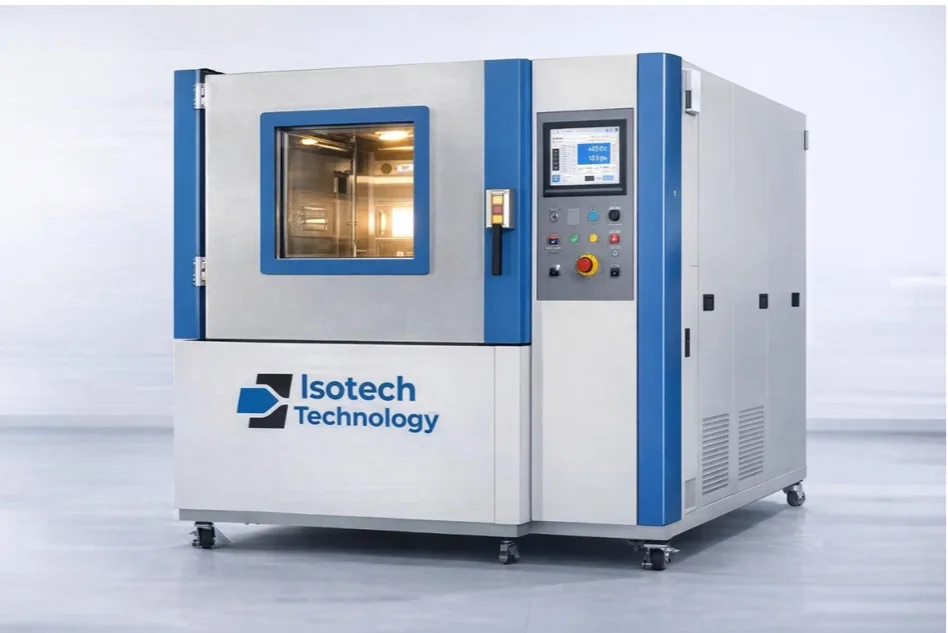
Reduce pressure while keeping the environment under control.
Altitude chambers combine pressure reduction with controlled temperature—and optional humidity—to reproduce atmospheric conditions encountered by equipment at elevation or in flight.
The current ISOTECH page publishes a broad performance envelope, programmable pressure ramps, cascade refrigeration, vacuum safety, real-time data monitoring and benchtop through walk-in formats.
Define
Test object, profile and acceptance criteria
Condition
Create the required controlled environment
Measure
Record the product and chamber response
Review
Compare results with the approved plan
Reduce pressure while keeping the environment under control.
Vacuum, temperature and optional humidity systems must track a coordinated profile without compromising door integrity, observation, instrumentation or specimen safety.
Performance is built as a complete system.
Review the published performance, construction, control and safety information without losing the technical detail.
Performance
Simulated altitude up to 30,000 m
Atmospheric pressure down to ≤1 kPa
Pressure accuracy ±2% of set value
Temperature stability ±0.5°C
Temperature uniformity ±2°C
Construction
SS304 inner chamber
Powder-coated heavy-duty exterior
High-density PUF insulation
Vacuum-sealed reinforced door
Double-glazed viewing window and LED lighting
Control
PLC and colour touchscreen HMI
Programmable multi-step cycles
Real-time graphs and data monitoring
PC connectivity and remote monitoring
Modbus, Ethernet and RS-485 context
Safety
Over-pressure and vacuum protection
Emergency pressure-release valve
Door safety interlock
Compressor overload and phase protection
Leakage and short-circuit protection
Configured around the test—not around a catalogue box.
Programmable pressure ramp control
High-efficiency vacuum system
Cascade refrigeration
Optional humidity control
Heated observation window
USB, Ethernet and RS-485 context
Published altitude-system envelope.
Published values are reorganised for clarity. Final performance is subject to the approved chamber configuration, working load and test method.
Where this system works.
- 01Aerospace components
- 02Defence electronics
- 03Avionics and navigation systems
- 04Automotive sensors
- 05Battery and electronic products
- 06Universities and certification labs
Standards and test methods
Only standards explicitly associated with the current ISOTECH product material are shown. Confirm the edition, clauses, specimen arrangement and acceptance criteria before ordering.
Equipment views and configurations.
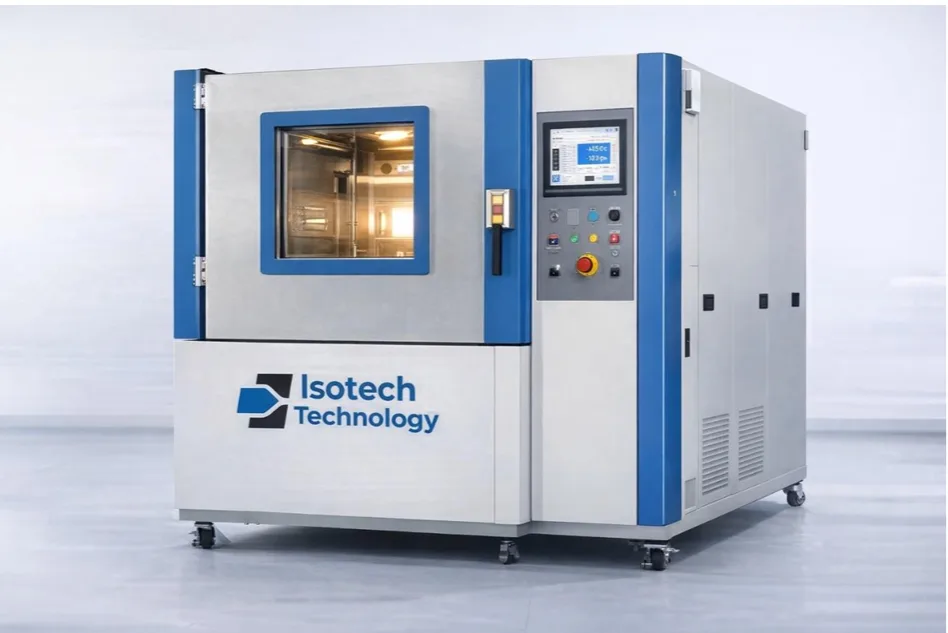
Continue the qualification programme.
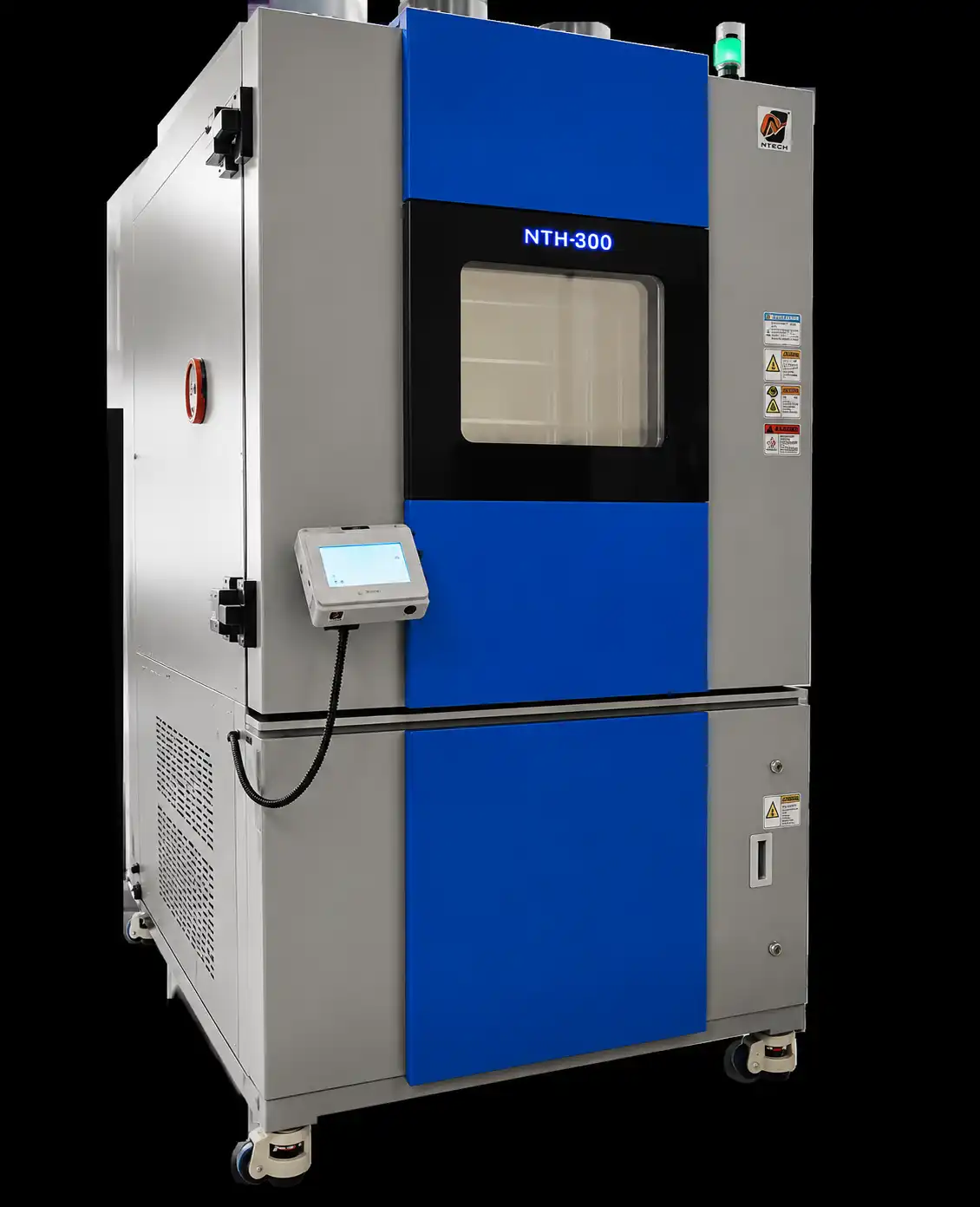
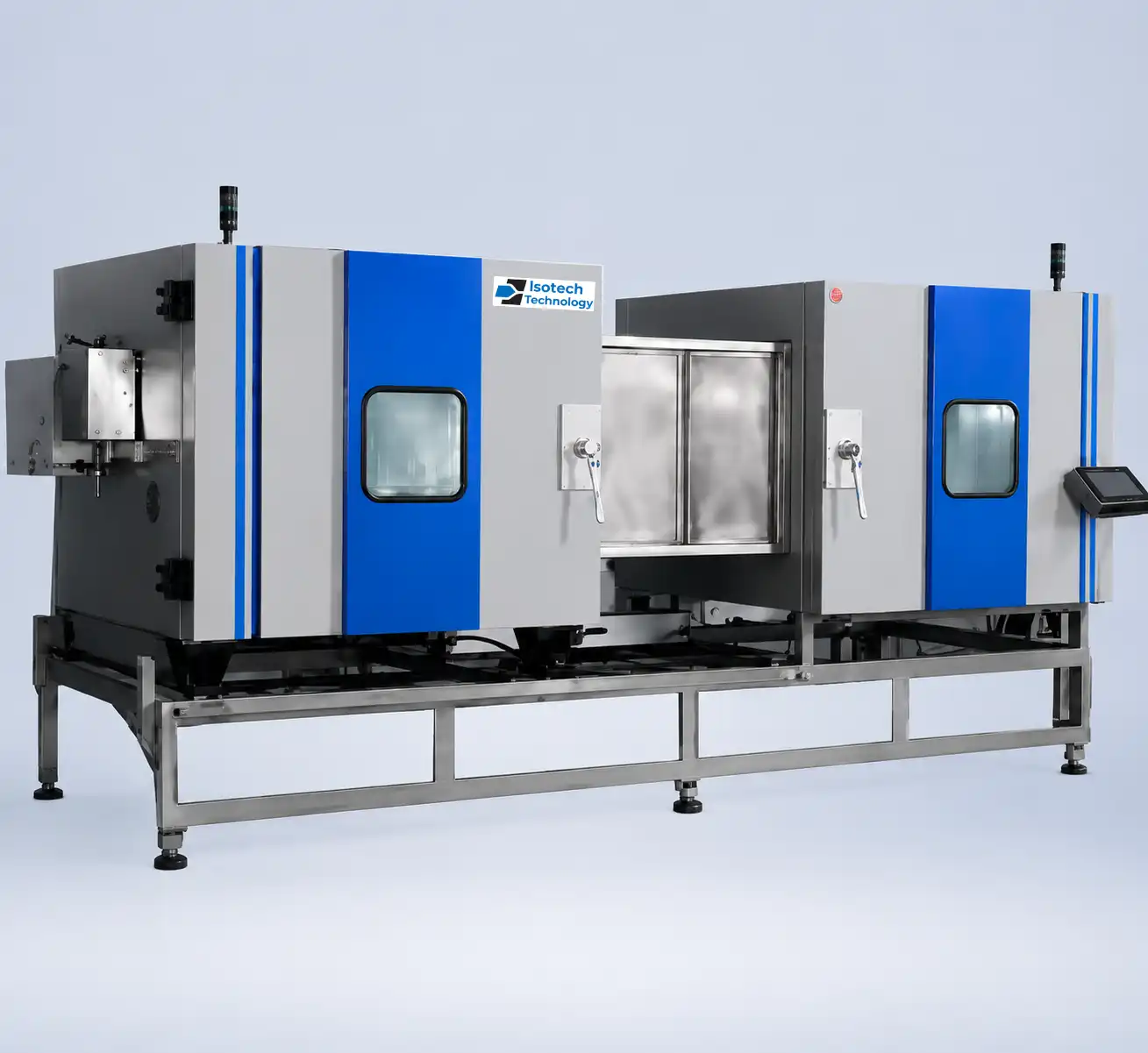
Turn your test requirement into a buildable chamber specification.
Share the DUT dimensions, load, operating state, environmental profile, duration, instrumentation, utilities, safety requirements and applicable standard.
Altitude Chamber FAQs.
Answers based on the current ISOTECH product page, reorganised for engineering clarity. Confirm project-specific values in the final proposal.
It reduces pressure to reproduce high-altitude atmospheric conditions while controlling temperature and, when specified, humidity.
The current page states simulated altitude up to 30,000 metres.
Atmospheric pressure down to 1 kPa or less, with programmable pressure ramp control.
Yes. The published temperature range is -70°C to +180°C with stability of ±0.5°C and uniformity of ±2°C.
Optional humidity from 20% to 95% RH is published for icing and condensation studies.
Published provisions include over-pressure/vacuum protection, an emergency release valve, door interlock, phase protection and leakage/short-circuit protection.
Define the test object dimensions, mass, heat load, operating state, required profile, instrumentation, access, utilities and acceptance criteria before selecting the Altitude Chamber.
Yes. Working volume, ports, shelves or fixtures, controller, monitoring, safety and installation provisions can be engineered around the approved requirement.
The current ISOTECH material describes installation, commissioning, operator training, calibration and maintenance support. Confirm the required scope in the quotation.
Warranty duration and coverage should be confirmed in the commercial proposal for the selected configuration and installation location.