
Industrial
Tray Dryer Chamber.
Industrial forced-air tray dryers for controlled moisture removal across food, pharmaceutical, chemical and polymer processes, available in programmable and non-programmable configurations.
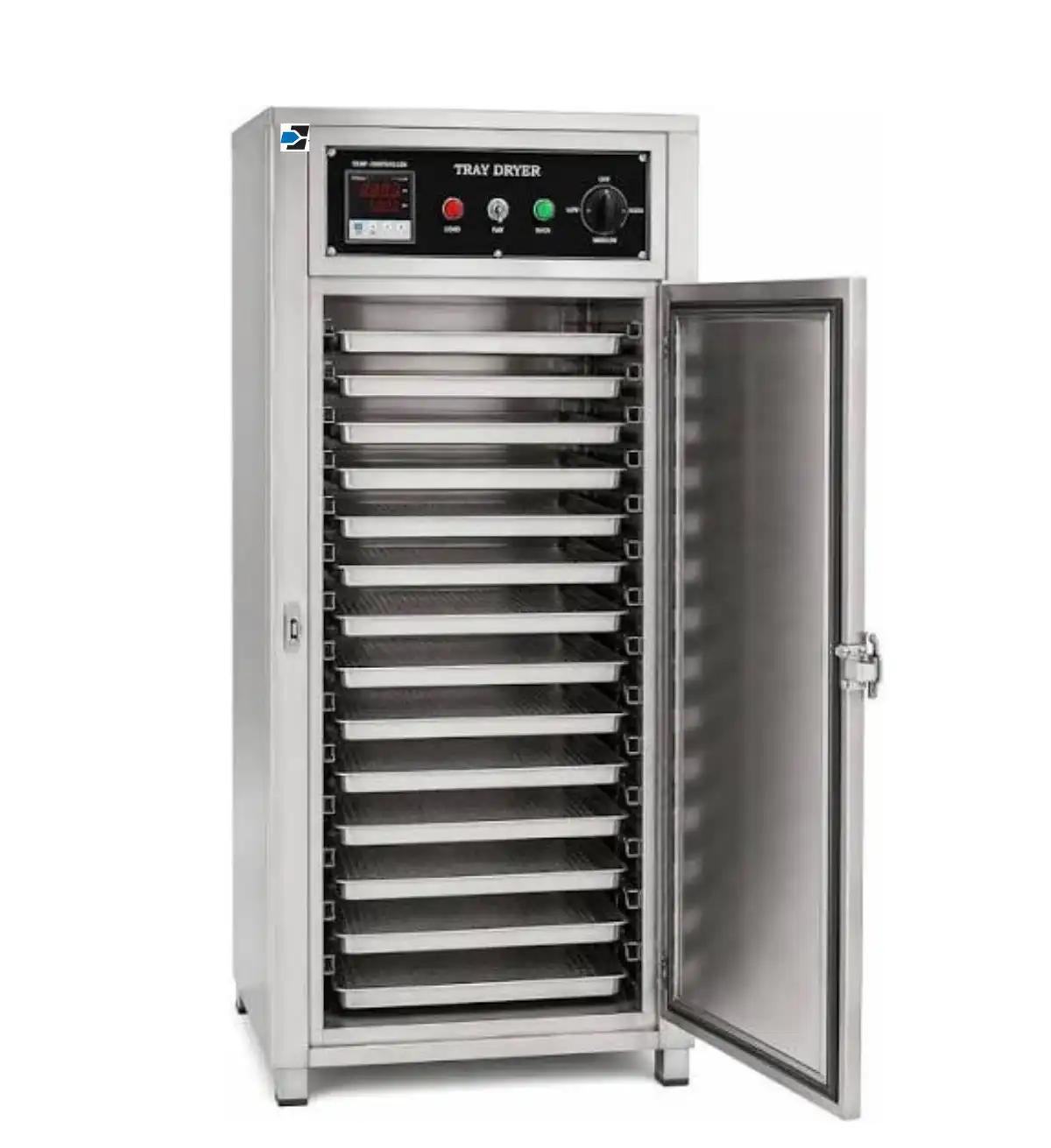
Make every tray part of the same drying process.
ISOTECH tray dryers circulate heated air around material loaded in multiple trays, supporting batch moisture removal with controlled temperature and repeatable airflow.
The family covers eight published model variants up to +250°C, with airtight construction, trolley or shelf systems, programmable and non-programmable control, and application-specific single- or double-door layouts.
Define
Test object, profile and acceptance criteria
Condition
Create the required controlled environment
Measure
Record the product and chamber response
Review
Compare results with the approved plan
Make every tray part of the same drying process.
Airflow, heater placement, tray loading and exhaust behaviour determine drying consistency. The chamber is configured so heated air reaches the product without direct heater radiation.
Performance is built as a complete system.
Review the published performance, construction, control and safety information without losing the technical detail.
Performance
Temperature deviation ±0.5°C
Resolution 0.1°C
Gradient ±1°C to 2°C
Raise/fall rate 1°C to 5°C
Uniform airflow around loaded trays
Construction
SS304, CRCA or aluminium interior options as published
Rust-protected external construction
Mineral-fibre insulation free of asbestos/CFC
Shelf or trolley arrangement
Single- or double-door access
Control
Large-screen programmable controller for LO models
Ramp and soak profiles
Trend display and history
RS-232/485, networking and USB context
PT100 temperature sensing
Safety
Emergency stop
Door-open shutdown
Over-current and thermal-fuse protection
High/low temperature cut-outs
Independent circuit protection
Configured around the test—not around a catalogue box.
6 to 196 tray configurations
Shelf or trolley loading
Indirect jacket-type heaters
Uniform forced-air circulation
Logic-programmable or basic control
Single- or double-door construction
Tray dryer model family.
Published values are reorganised for clarity. Final performance is subject to the approved chamber configuration, working load and test method.
Where this system works.
- 01Food and ingredient drying
- 02Pharmaceutical powders and granules
- 03Chemical materials
- 04Resins and polymers
- 05Plastic pellets
- 06R&D process development
Standards and test methods
Only standards explicitly associated with the current ISOTECH product material are shown. Confirm the edition, clauses, specimen arrangement and acceptance criteria before ordering.
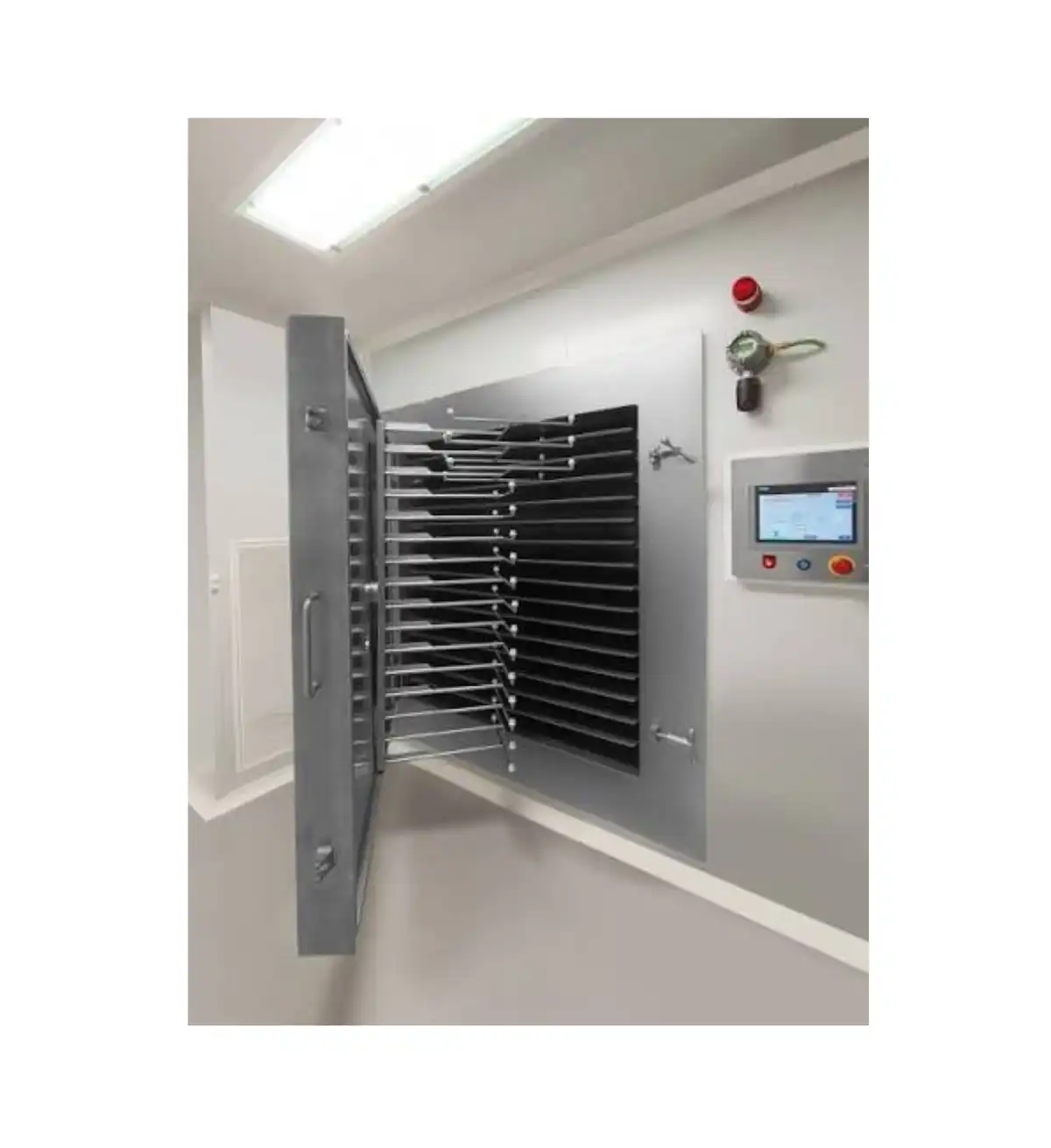
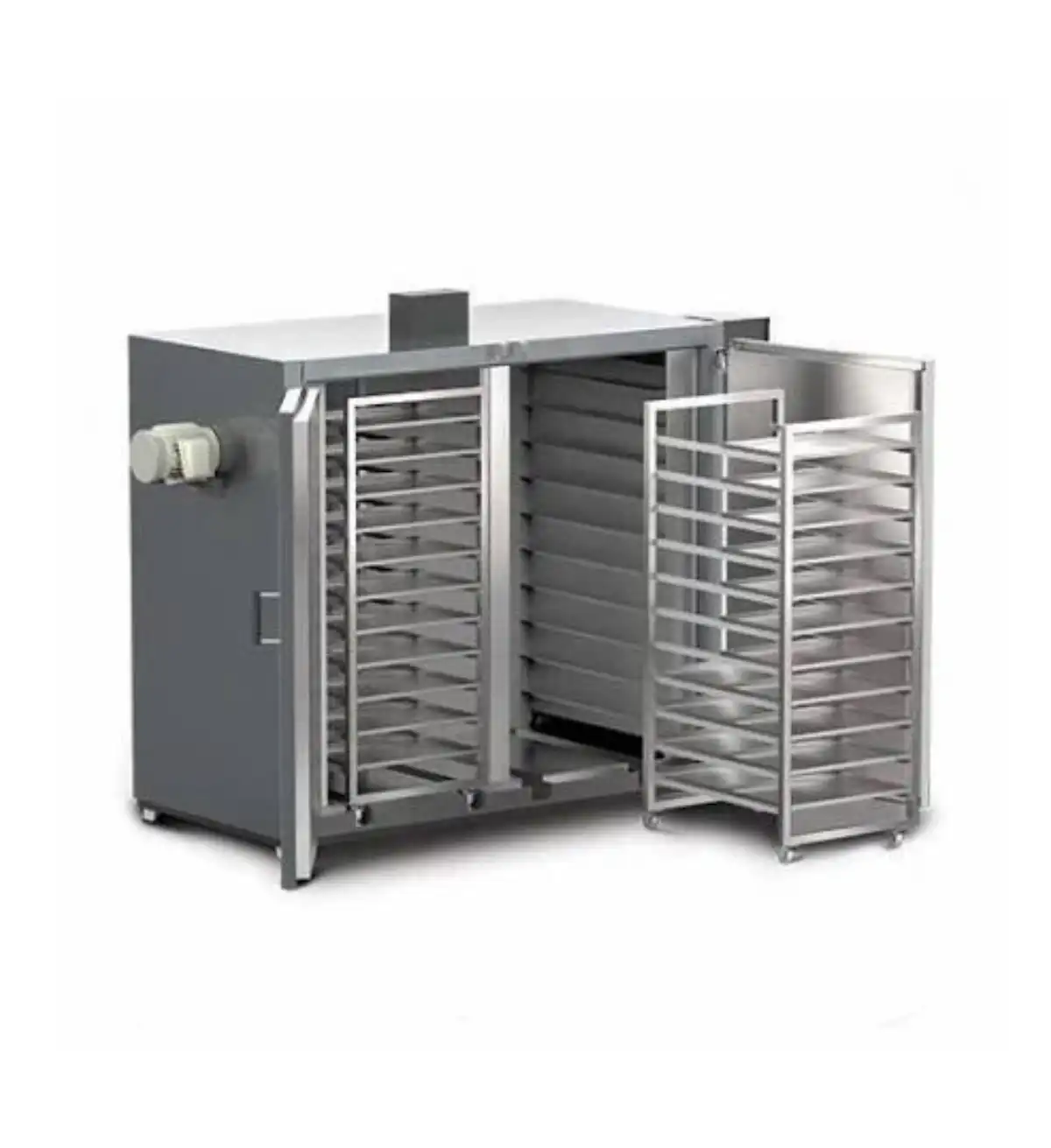
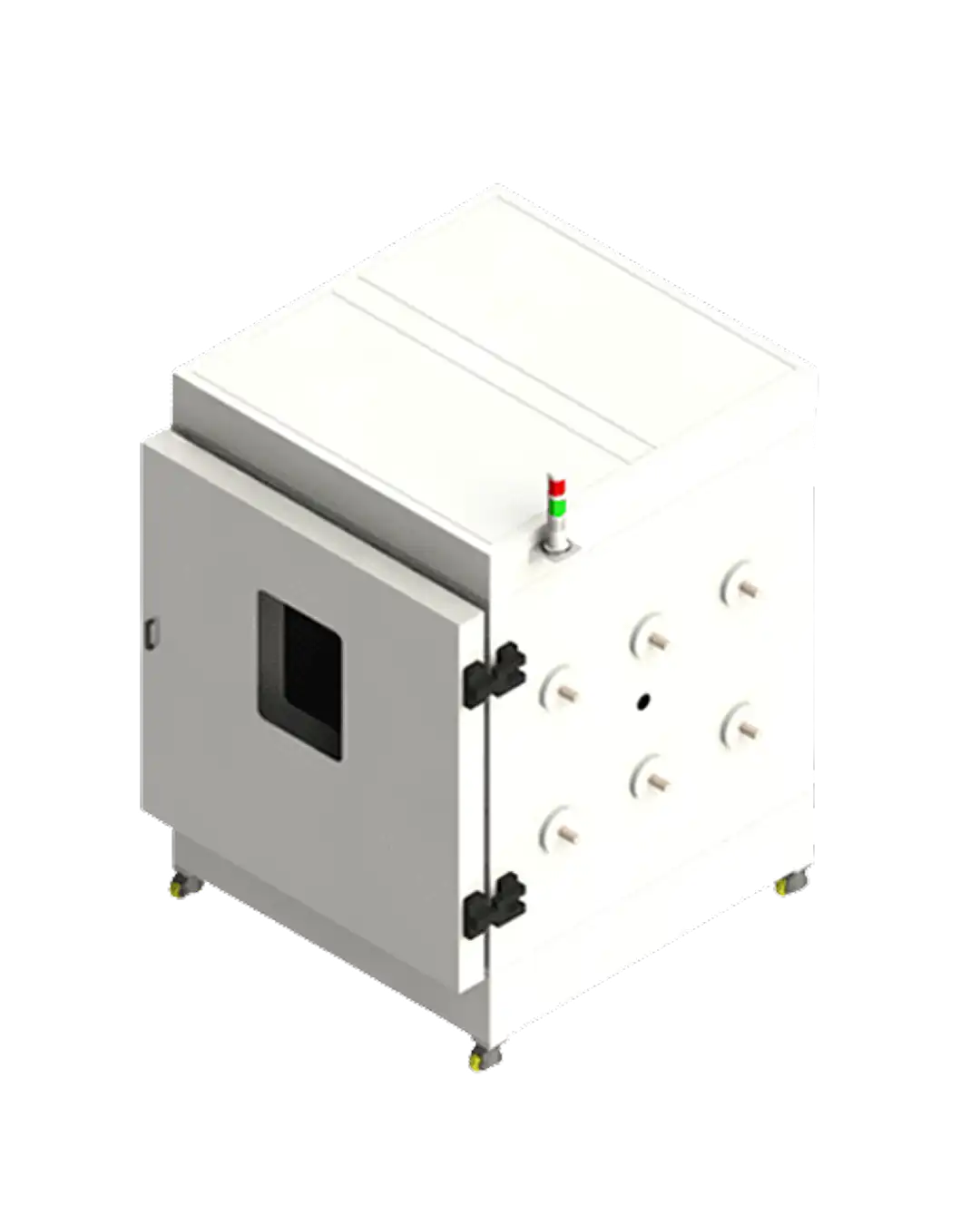
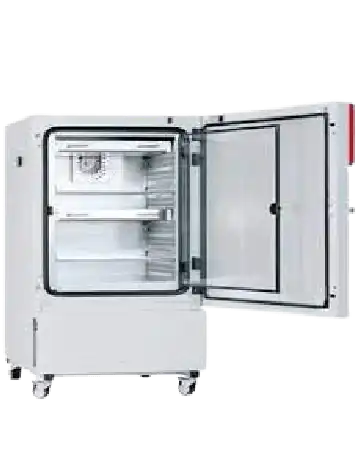
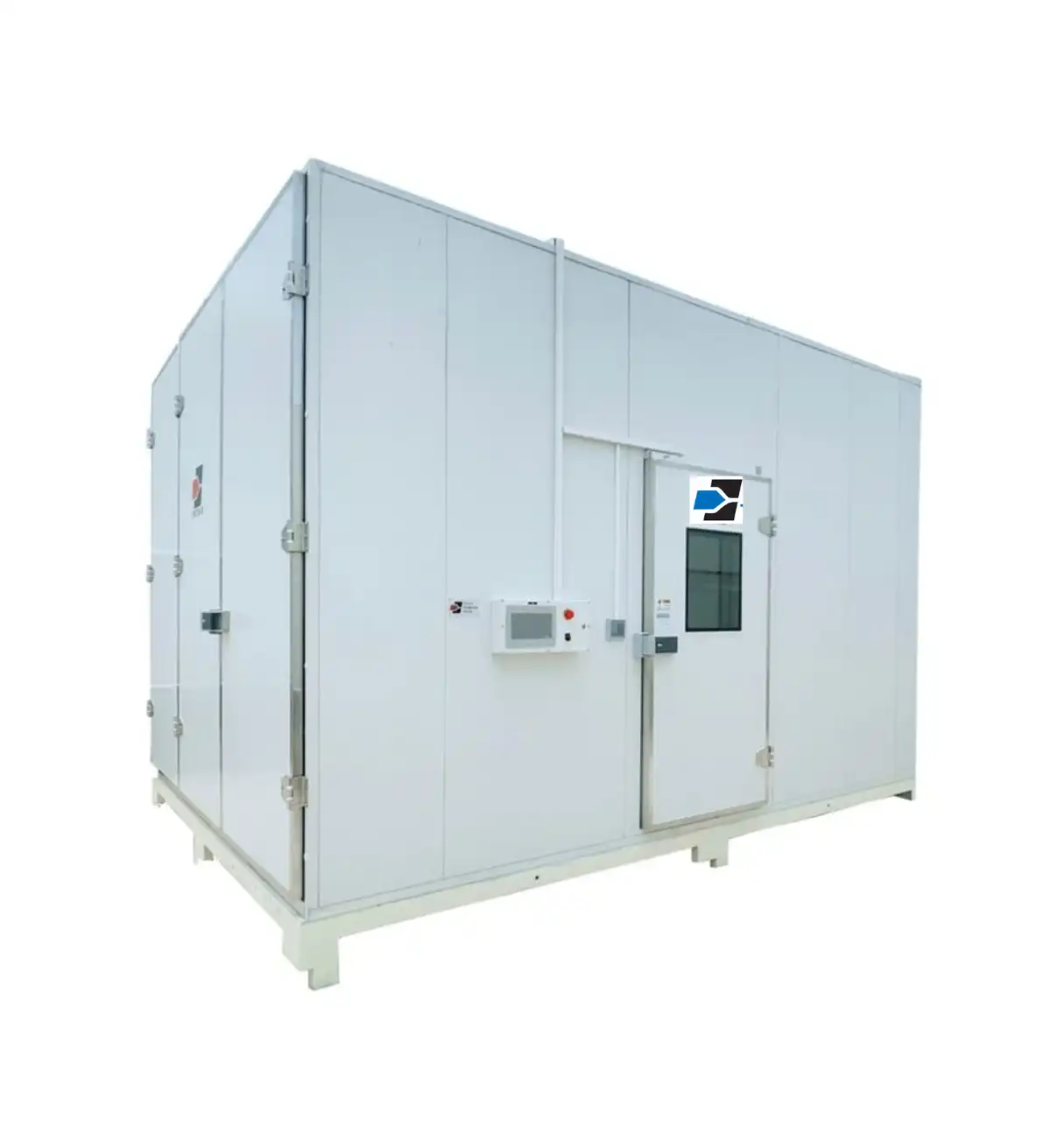
Equipment views and configurations.
Continue the qualification programme.
Turn your test requirement into a buildable chamber specification.
Share the DUT dimensions, load, operating state, environmental profile, duration, instrumentation, utilities, safety requirements and applicable standard.
Tray Dryer FAQs.
Answers based on the current ISOTECH product page, reorganised for engineering clarity. Confirm project-specific values in the final proposal.
A batch drying system that circulates heated air around material spread across multiple trays to remove moisture under controlled conditions.
The current ISOTECH family covers 6 to 196 trays.
Models are published for maximum temperatures of +100°C, +150°C, +200°C or +250°C from RT+5°C.
LO models use logic-programmable control; RE models use non-programmable control.
Published applications include food ingredients, pharmaceutical materials, chemicals, resins, polymers, pellets, granules and powders.
Material, batch mass, initial and final moisture, tray loading, temperature limit, airflow, cycle time, exhaust and cleaning requirements should be defined.
Define the test object dimensions, mass, heat load, operating state, required profile, instrumentation, access, utilities and acceptance criteria before selecting the Tray Dryer.
Yes. Working volume, ports, shelves or fixtures, controller, monitoring, safety and installation provisions can be engineered around the approved requirement.
The current ISOTECH material describes installation, commissioning, operator training, calibration and maintenance support. Confirm the required scope in the quotation.
Warranty duration and coverage should be confirmed in the commercial proposal for the selected configuration and installation location.