


HT panel vs LT panel difference
Understanding the HT panel vs LT panel difference is crucial for industries, commercial buildings, and infrastructure projects that depend on reliable electrical power distribution. Both HT and LT panels play essential roles in managing electricity, but they differ significantly in voltage range, applications, components, and safety requirements. Knowing the exact HT panel vs LT panel difference helps engineers and facility managers choose the correct system for their operational needs.
HT panels, also known as High Tension panels, operate at high voltage levels such as 11kV, 22kV, or 33kV. These panels are typically installed at locations where power is received directly from the electricity board or a substation. HT panels use components like Vacuum Circuit Breakers (VCB), SF6 breakers, CT/PT meters, protection relays, and isolators. Their purpose is to regulate and control high-voltage incoming power safely before it is stepped down through a transformer. A major point in the HT panel vs LT panel difference is that HT panels must follow stricter safety, insulation, and protection standards due to the high voltage involved.
LT panels, or Low Tension panels, operate at 415V or 440V. These panels distribute electricity to machines, floors, and equipment within a facility after the voltage is reduced by the transformer. LT panels include ACBs, MCCBs, MCBs, relays, contactors, power factor correction units, synchronizing modules, and energy meters. LT panels are widely used in factories, commercial buildings, hospitals, malls, apartments, and industrial plants. Another key HT panel vs LT panel difference is that LT panels are easier to maintain, less costly, and safer to work with compared to high-voltage panels.
From a structural point of view, HT panels are built with thicker insulation, arc-suppression mechanisms, interlocking systems, and remote operation capabilities. LT panels focus more on overload protection, short-circuit protection, phase failure safety, and efficient power distribution. This design distinction clearly highlights the HT panel vs LT panel difference in terms of engineering complexity and operational risk.
Cost is also a major factor. HT panels are significantly more expensive due to high-voltage components, stringent testing requirements, and specialized installation procedures. LT panels, on the other hand, offer a more economical solution for low-voltage applications. This makes the HT panel vs LT panel difference important for budgeting and planning electrical infrastructure.
In terms of usage, HT panels are preferred for large industrial plants, utility power stations, renewable energy farms, and large campuses. LT panels are ideal for industries, commercial buildings, residential complexes, and manufacturing units where final power distribution is required. Understanding this practical HT panel vs LT panel difference ensures the right choice for performance, safety, and energy efficiency.
In summary, the HT panel vs LT panel difference revolves around voltage level, application, components, safety needs, and cost. HT panels manage high-voltage incoming power, while LT panels distribute low-voltage power internally. Choosing the correct type ensures smooth, safe, and efficient electrical operations.
We provide top Industrial Services
Isotechpl is leading Environmental Chamber Manufacturers and exporting company for Environmental Test Chamber, Scientific Instruments with specialization in all the Sectors with all the necessary Standards having accuracy just equivalent to Imported Calibration Instruments, resulting in import substitute for Indian users.
Innovative Technology
Innovative committed to technology & service Innovation.Up-to-Date Market
In environmental chamberThe company ensures maximum satisfaction both in Quality and Product up-gradation of environmental chambers, maintaining the highest industry standards.
Know More
Isotech Manufacturing & Test Chamber Suppliers
Environmental Test Chambers


Our Applications
Isotech Technology Pvt Ltd. Bangalore, India. Environmental simulation industry to provide a comprehensive various range of products and services to the environmental test industry for various applications.01
Aerospace Industry
Weather space shuttles, airplanes or helicopters & also Aerospace vessels are subjected to extreme situations. These range from extreme Changes in temperature up to vacuum states in outer space.Read More02
Automotive Testing
The automotive industry is one of the most innovative industries today. The very highest standards are set in the manufacture and quality assurance of automobiles and automobile components.Read More03
Agriculture/Science Industry
Biological research highly relies on controlled climatic conditions and the exact simulation of environmental conditions in many disciplines.Read More04
Defence Testing
The Defence industry is one of the most innovative industries today. The very highest standards are set in the manufacture & quality assurance of automobiles & automobile components.Read MoreIsotech Blog Posts
Industry to provide a comprehensive various range of products and services to the environmental test industry.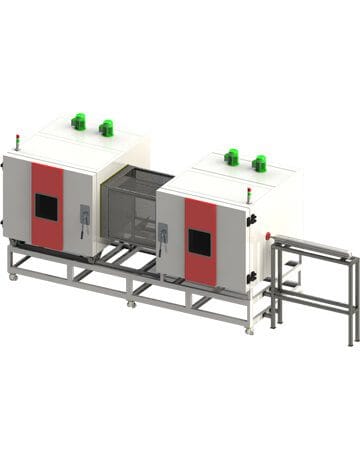
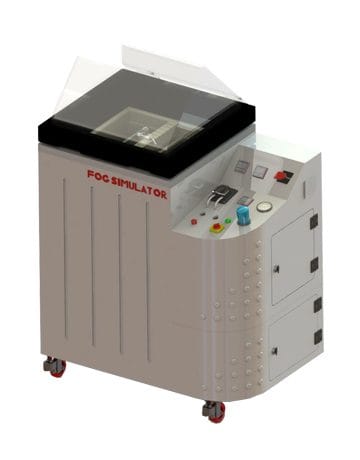


We always Dedicated for best solutions

Innovative Technology
Innovative Committed to Technology & Service Innovation.
Career Opportunities
Promising to offer our employees career opportunities for future.
Up-to-Date Market
Responsive to respond to changing market requirements.
Secure & Quality
Reliable to provide secure & qulity test solution.Testimonials
ISOTECHPL Clients Review
Industry to provide a comprehensive various range of products and services to the environmental test industry.Radha Krishna
Sanjeev Shetty
Lokanath
Malcom Roy
Radha Krishna
Sanjeev Shetty
Lokanath
Malcom Roy
ISOTECHPL